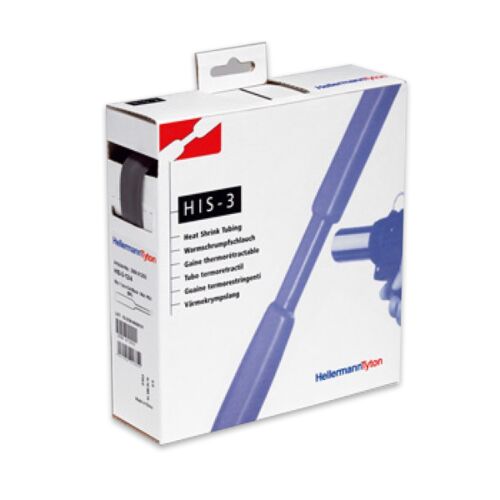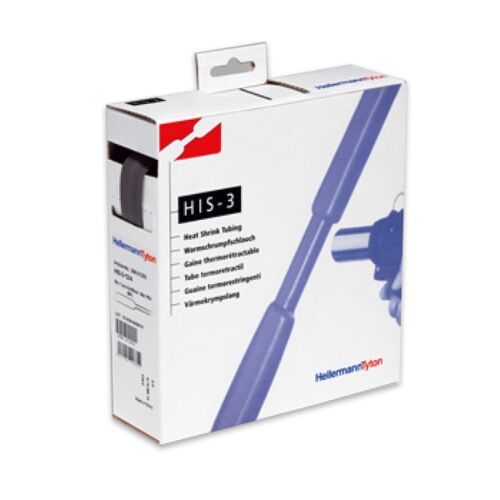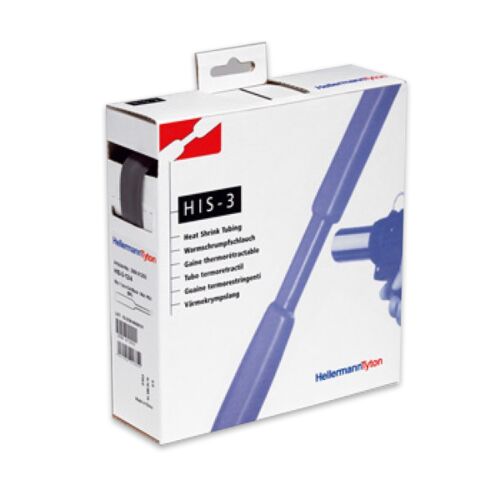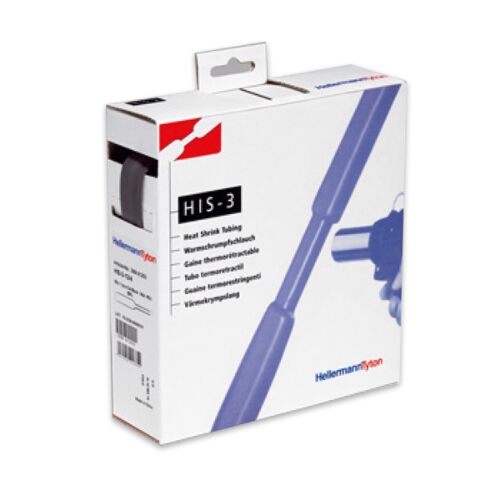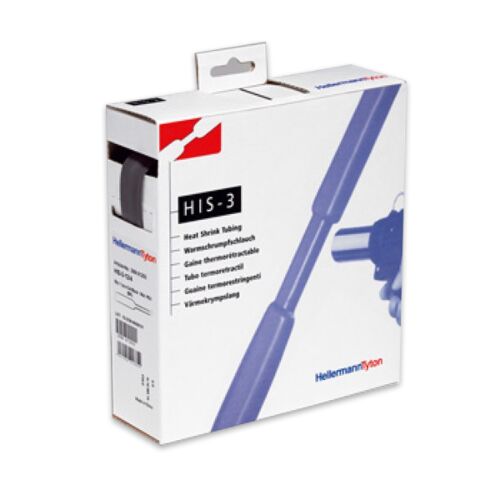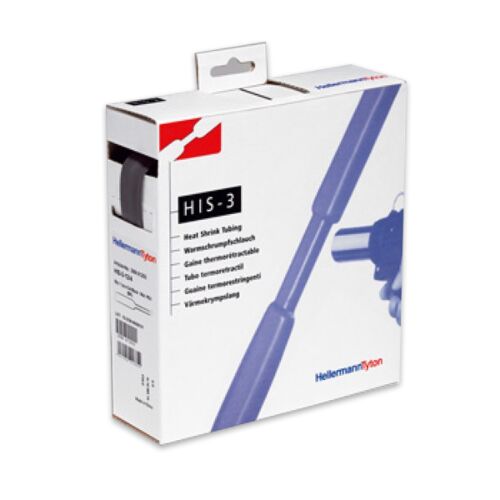


Heat shrink tubing
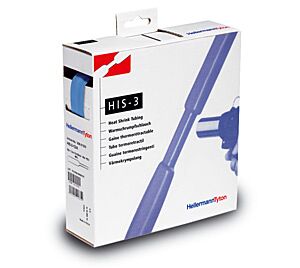
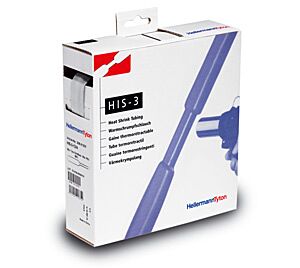
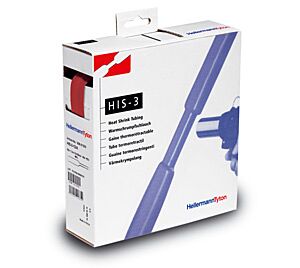
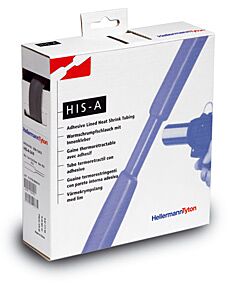
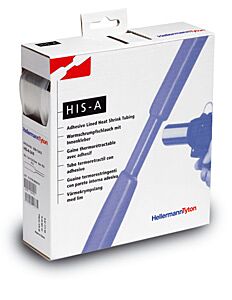
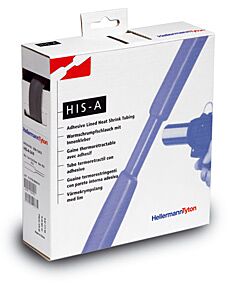
Heat shrinkable tubing is often used in the assembly of cables, wires and connectors. The use includes insulation, labelling and, in addition to optical reasons, also mechanical protection.
The following parameters play an important role in the selection of heat-shrink tubing:
Wall thickness of the heat-shrink tubing:
The thickness (gauge) of the material is given nominally in mm after complete shrinkage. Nominal stands for a dimension without tolerances. Generally, a distinction is made between thin-, medium- and thick-walled shrink tubing. Medium and thick-walled heat shrinkable tubing is also available with an inner adhesive. This is called dual tubing.
Diameter of the shrink tubing:
In many cases, the diameter is still given in inches. 25.4mm is 1 inch. Shrink rate: Shrink tubing can be expanded (widened) to different degrees depending on the base material (plastic) and wall thickness used. Depending on the ratio in which the product shrinks (delivery dimension to (:) basic tubing), the shrink ratio is specified.
Shrink ratio:
The shrink ratio ranges from 2:1 to 6:1. The higher the shrink ratio, the more different diameters can be covered. Ergo, fewer different shrink tubing sizes are needed, which means less ordering and storage effort. Longitudinal shrinkage: Shrink tubing not only shrinks in diameter, but also positively or negatively in length. This change in length is given as a percentage (%).
Shrink temperature:
Shrink tubing does not always shrink at the same temperature. This is strongly dependent on the base material used (plastic).
Operating temperature:
The operating temperature is also not the same for all heat-shrinkable tubing. The decisive factor is the base material used (plastic). When choosing the right size of heat shrink tubing, it is also advisable to consider the 80:20 rule. For a professional result, the shrink tubing should shrink at least 20% and at most 80% of its full shrinking capacity.
In our application overview you will find the right shrink tubing for every cable diameter. The 80:20 rule has of course been taken into account.